Battery storage
Solar Battery Storage in Phoenix
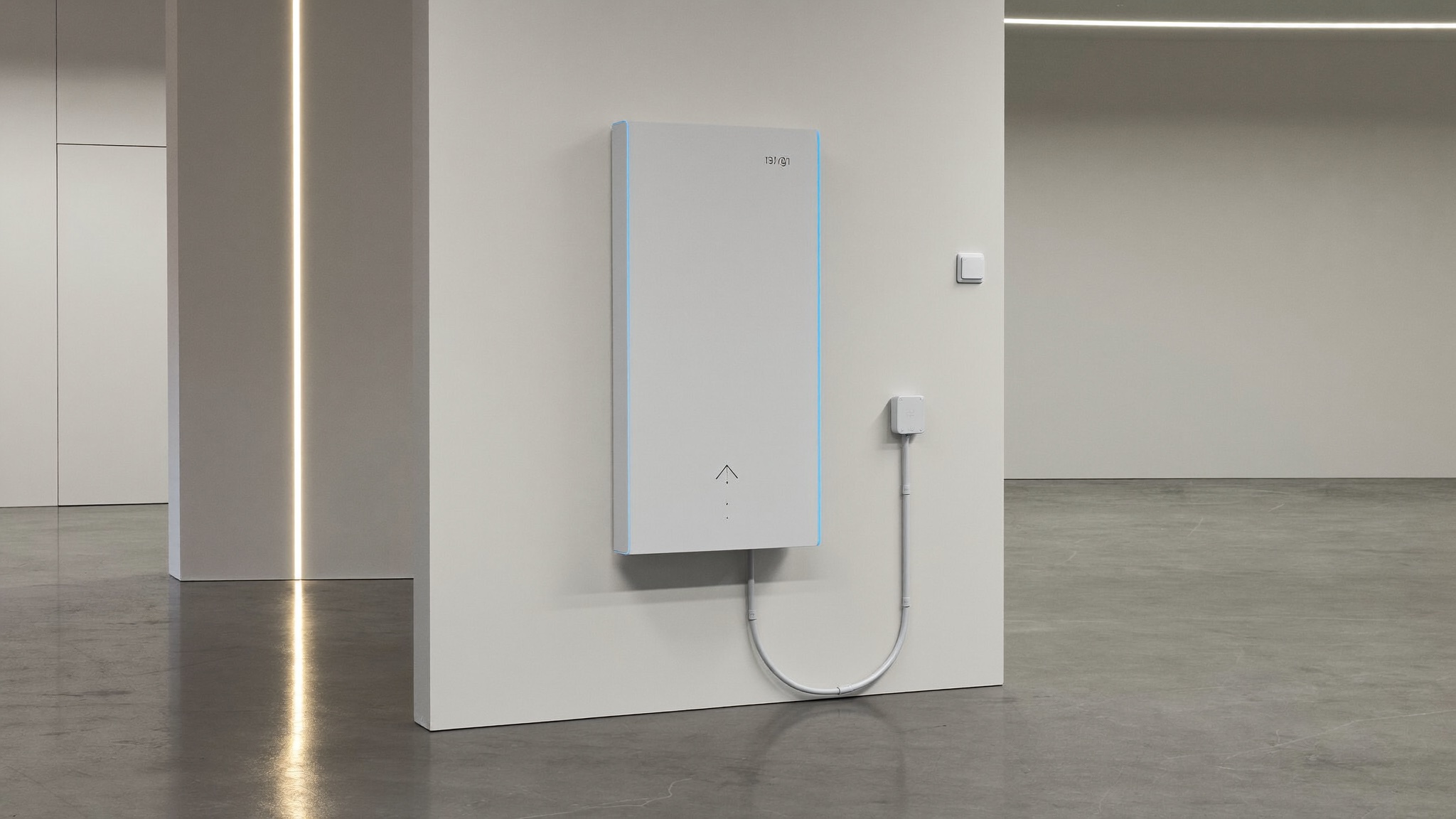
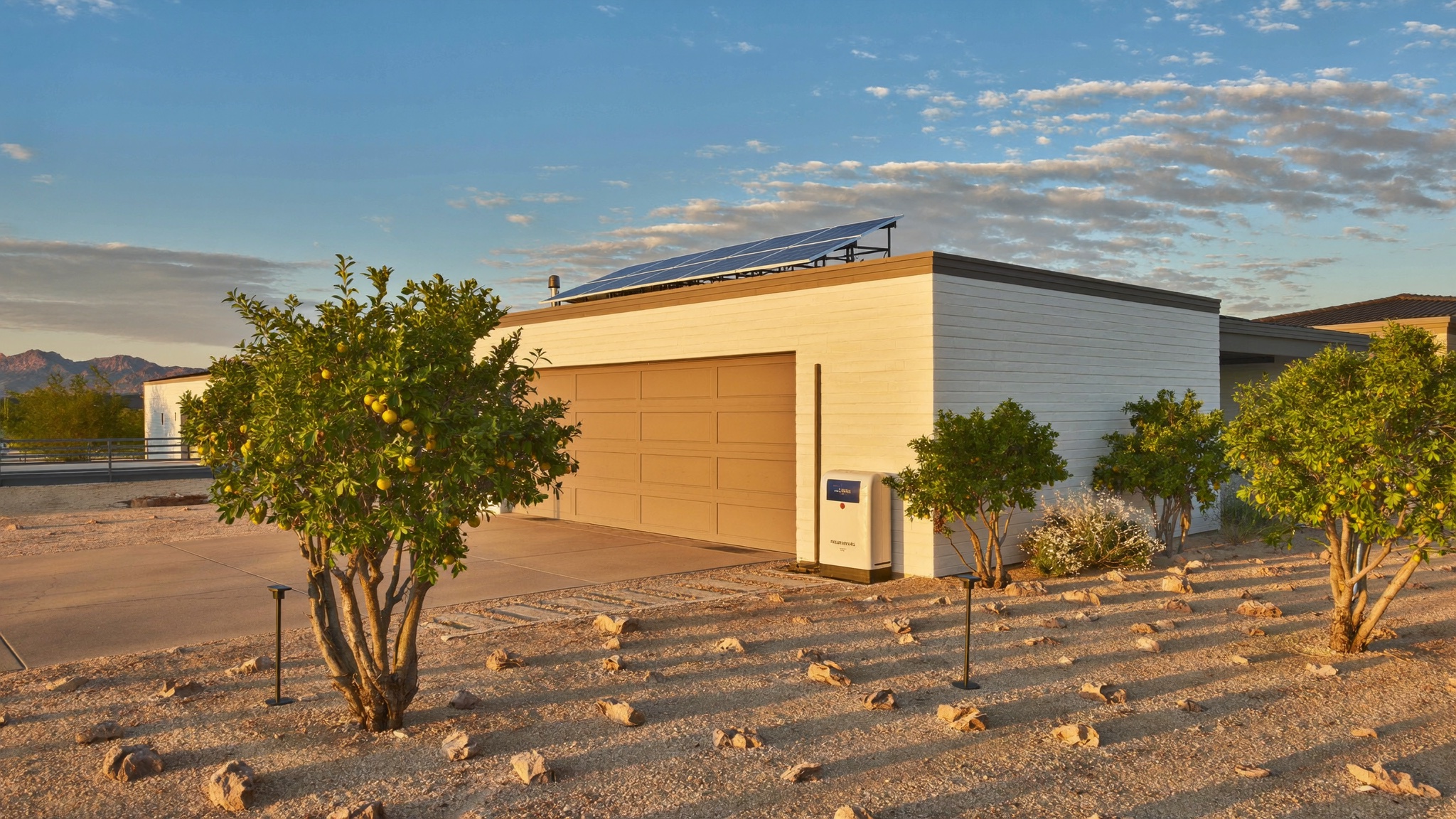
Keep the day's sun for the night, and keep the lights on when the grid goes down. Two jobs, one quiet box on the garage wall.
A solar array turns the desert sun into power while it's up. A battery decides when you get to use it. In Arizona, where exported power is worth less than the power you buy back, that timing is where a lot of the savings live — and where your July peace of mind comes from.
Two reasons people add one
Backup, when the grid fails. Monsoon storms take out Valley power lines every summer, usually on the hottest evenings. A battery notices the outage in a fraction of a second and keeps your fridge, your Wi-Fi, your lights and an AC zone running — then recharges from your panels the next morning. Your house stays livable while the block goes dark.
Savings, every day. Both APS and SRP charge premium rates during summer peak hours, roughly 3 to 8 pm. A battery fills on solar during the cheap, sunny part of the day and discharges through those peak hours, so you skip the most expensive power on the clock. On a time-of-use plan, that daily shift is most of a battery's bill savings.
How we size it
Backup is about circuits, not square footage. We sit down and decide what you actually want kept alive in an outage — nearly always the kitchen, the network, some lights, and one AC zone — and size the battery to carry those through a night. A single battery of about 13 kWh handles the essentials for most of a night and recharges the next day; whole-home backup through a desert summer usually takes two or three. Backing up the whole panel sounds better and lasts worse. We'd rather your battery run the things that matter until sunrise.
The grid goes down on the hottest night of the year. A battery is the difference between an inconvenience and an evacuation.
Cost and the credit
A home battery installed with solar generally adds $9,000 to $18,000 depending on how much backup you want. A battery qualifies for the 30% federal clean energy credit — with new panels or added to an existing array — as long as it's charged by solar. We model your bill both ways, with and without storage, so you can see what the box actually buys before you decide. Full ranges are in the savings guide.
Questions we get
Do I need a battery with solar in Phoenix?
You don't need one for solar to work, but in Arizona it changes the math. Because exported power earns a low credit under net billing, a battery lets you store your own daytime solar and use it in the evening instead of buying grid power at peak rates — and it keeps your home running during an outage. Whether it pays off depends on your rate plan and evening usage, which we model in your estimate.
How long will a home battery power my house in an outage?
A single ~13 kWh battery runs a home's essentials — refrigerator, Wi-Fi, lights, one AC zone — for most of a night, and recharges from your panels the next day. Whole-home backup through Arizona's summer heat usually takes two or three batteries. We size to the circuits you want kept alive, not the whole panel, so the backup lasts.
Does a battery save money on APS or SRP time-of-use rates?
Yes, on the right plan. Both utilities charge more during summer peak hours, roughly 3 to 8 pm. A battery charges on cheap or self-made solar earlier and discharges during those peak hours, so you avoid the most expensive power of the day. On a time-of-use plan that gap is most of a battery's savings.
Does a battery qualify for the tax credit?
Yes. A home battery qualifies for the 30% federal residential clean energy credit — installed with new panels or added to an existing solar system — as long as it's charged by solar. The credit comes straight off the installed cost.
Power after dark