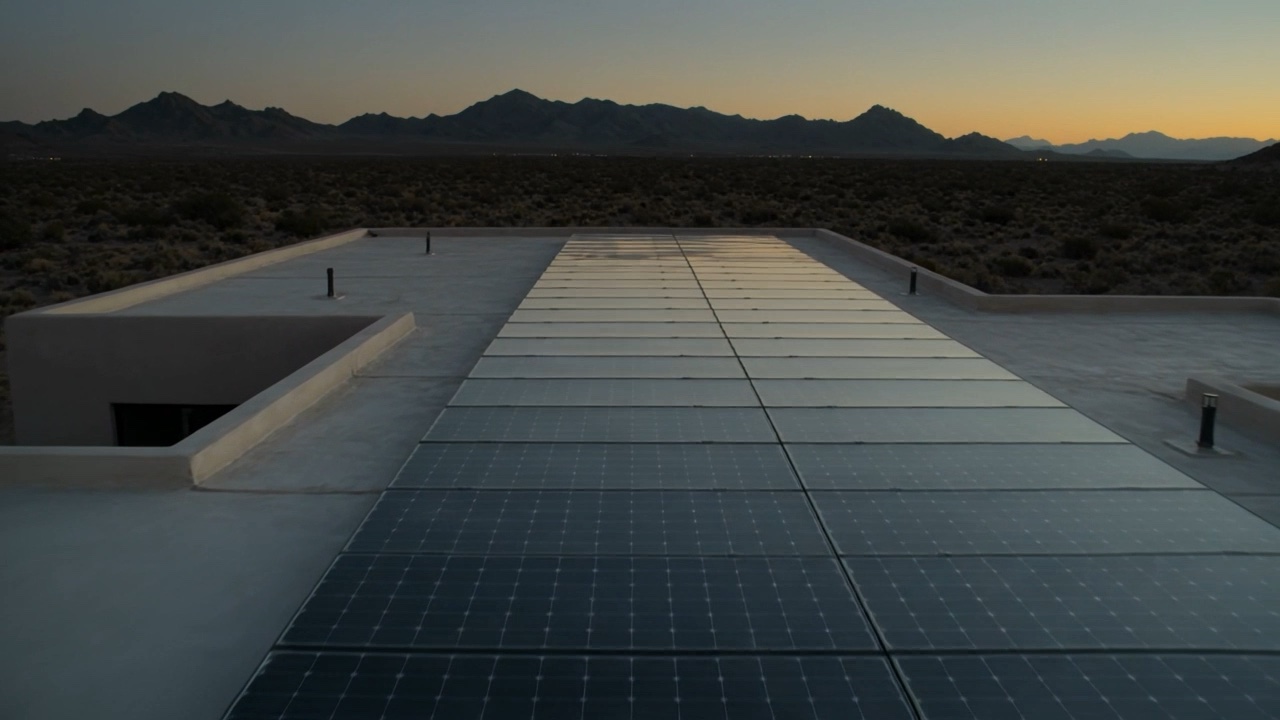
2026 · Phoenix, Arizona
How Much Do Solar Panels Cost in Phoenix? (2026)
The honest ranges, what moves them, how the tax credit works, and how long a Valley system takes to pay itself back. No login, no "as low as."
"How much does solar cost" is the most-searched solar question in Phoenix, and the one with the most evasive answers. Here's ours — 2026 installed pricing for the Valley, the real numbers we'd stand behind on a first call, before we've seen your roof or your bill.
The three honest ranges
| What you're buying | 2026 Phoenix range |
|---|---|
| Solar, before tax credit | $18,000 – $32,000 |
| Solar, after 30% federal credit | $13,000 – $22,000 |
| Add a home battery | + $9,000 – $18,000 |
Most Valley homes need a 6 to 12 kW system, and where you fall in the range depends far more on how much power you use than on how big your house is. A pool, an EV, and west-facing glass with two AC compressors push a home to the top of the range; a small, efficient home sits near the bottom.
What moves the number
Two homes the same size can be quoted twelve thousand dollars apart. Here's where that gap comes from, roughly in the order it matters on Phoenix roofs:
| Cost driver | Why it moves the price |
|---|---|
| Your electricity use | The single biggest factor. More kWh means more panels, a bigger inverter, and more of everything. We size to your last twelve months, not a guess. |
| Panel & inverter quality | Premium panels with better heat tolerance and 25-year warranties cost more up front and produce more over a Phoenix summer. Microinverters add cost and resilience. |
| Roof type & complexity | A simple, unshaded composition roof is cheapest. Tile, flat roofs, multiple planes, and shade work-arounds add labor and hardware. |
| Battery storage | Optional, and the largest single add. Backup capacity and off-peak savings both scale with how many batteries you install. |
| Electrical panel | An older main panel near capacity may need an upgrade to add solar or an EV charger — a real line item worth confirming up front. |
| Roof condition | If the roof is near end of life, replacing it before the array goes on is far cheaper than pulling panels later. We'll tell you if yours needs it first. |
The 30% tax credit, plainly
The federal residential clean energy credit is 30% of your total installed cost — panels, inverter, labor, and a solar-charged battery all count. It's a credit against the federal income tax you owe, not a rebate check, and any portion you can't use this year carries forward to next. On top of it, Arizona adds a state credit of 25% of the system cost, capped at $1,000, and exempts the equipment from sales tax. Stack those and a $26,000 system nets closer to $17,000 out of pocket for most owners.
What's usually left out of a cheap quote
The gap between a suspiciously low bid and a fair one is almost always here. Budget for these from the start:
- The electrical panel upgrade — if your main panel is full, it's not optional, and a low quote may leave it for you to discover.
- A needed re-roof — panels last 30 years; a 20-year-old roof under them doesn't. Doing it first is cheaper than doing it twice.
- Permit, engineering & interconnection fees — the city permit and the APS or SRP interconnection application.
- HOA submittal — common in Gilbert, Chandler and Paradise Valley, with a timeline before you can install.
- A lease disguised as a sale — the lowest "cost" is sometimes a lease where you never own the panels or claim the credit. Read who owns the system.
A low number usually isn't a cheaper system. It's the same system with the panel upgrade, the permit, or the ownership left off the page.
Cash, loan, or lease
Owning the system is almost always the better deal, because only the owner claims the 30% credit and keeps the full savings. Pay cash and your payback is fastest; use a solar loan and you still own the system and take the credit, trading a little total savings for no money down. A lease or power-purchase agreement hands a third party your roof: they own the panels, take the credit, and sell you the power at a smaller discount — and the contract can complicate a home sale. We don't lease. We help you own, and we'll walk your numbers cash versus loan so you can see the difference.
A realistic Phoenix example
An 8.4 kW system — 21 panels — on an unshaded Gilbert composition roof, sized to a family with a pool and a $205 average bill: about $26,000 installed, roughly $17,000 after the federal and state credits. It produces near 14,800 kWh a year, takes about $2,190 off the annual bill, and pays itself back in the sixth year — then runs for two more decades. Add a battery for backup and off-peak savings and the up-front number rises while the payback lengthens a couple of years. That's the real Gilbert home behind the figures on our home page.
Questions we get
How much do solar panels cost in Phoenix in 2026?
A typical residential system runs about $18,000 to $32,000 installed before incentives, or roughly $13,000 to $22,000 after the 30% federal tax credit. Add a battery and expect another $9,000 to $18,000. Most Valley homes need a 6 to 12 kW system, and where you land depends mostly on your electricity use, not your house size.
Are solar panels worth it in Arizona?
For most owner-occupied Phoenix homes, yes. Arizona has some of the best sun in the country and high summer bills, so a well-sized system typically pays for itself in six to nine years and then produces low-cost power for two more decades. It's less compelling if you'll move within a few years, have heavy shade, or a very small bill.
What is the solar tax credit in 2026?
The federal residential clean energy credit is 30% of the total installed cost, and it covers a solar-charged battery too. It's a credit against the federal income tax you owe, not a rebate, and unused amounts carry forward. Arizona adds a 25% state credit capped at $1,000, plus a sales-tax exemption on the equipment.
Should I buy solar with cash, a loan, or a lease?
Owning — with cash or a solar loan — is almost always better, because only the owner claims the 30% credit and keeps the full savings. A lease or PPA means a third party owns the panels, takes the credit, and sells you the power; the savings are smaller and it can complicate a sale. We don't lease.
Why do two Phoenix solar quotes differ so much?
Usually because they aren't the same system or scope. Panel and inverter quality, whether a battery is included, whether a panel upgrade or re-roof is in the price, and purchase versus lease all move the number thousands of dollars. Compare cost per watt and confirm what's included before you compare totals.
Do solar panels add value to an Arizona home?
Owned solar generally adds resale value and can help a home sell faster in the Phoenix heat. Leased systems are the exception — a lease the buyer must assume can slow a sale. In Arizona, added value from solar is also exempt from property tax, so the system raises what your home is worth without raising your tax bill.
Your number