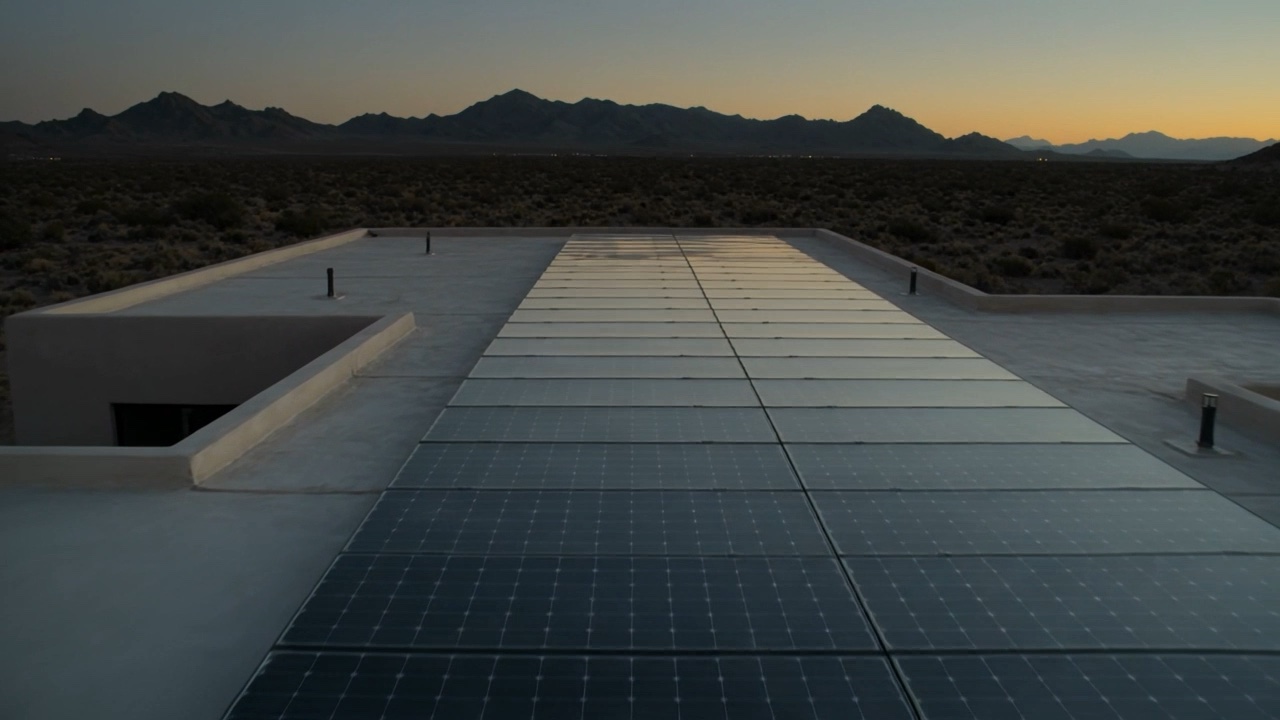
Rooftop solar
Residential Solar Panel Installation in Phoenix
A system engineered to your roof and your bill — not a one-size array pulled off a truck. Here is how we size it, what we install, and what it saves.
Phoenix is one of the best places in the country to put solar on a roof — and one of the easiest to oversize a system on. The whole job is getting the number of panels right for how your house actually uses power, then installing them so cleanly you forget they're there.
We size to your bill, not your roof
Two identical houses on the same street can need systems 40 percent apart. A pool pump, an EV, a west-facing wall of glass and two AC compressors add up fast. So we start with twelve months of your utility usage, not a tape measure. We read the roof — pitch, azimuth, and the shade a single palo verde throws at four o'clock — and design an array that covers close to 100 percent of your annual use. Not more: in Arizona, power you send back earns less than power you buy, so an oversized system spills value you paid for.
What we install
- Panels — premium monocrystalline modules, black-on-black, with 25-year product and performance warranties. In desert heat, the temperature coefficient of a panel matters as much as its wattage; we spec for July, not for a spec sheet.
- Inverter — microinverters or a string inverter with optimizers, chosen for your roof. Panel-level electronics mean one shaded module doesn't drag the whole array, and you see production per panel in an app.
- Mounting — flashed, watertight attachments rated for monsoon wind, with the array set flush and the conduit run inside where it can be. A Firstlight roof doesn't announce itself with dangling pipe.
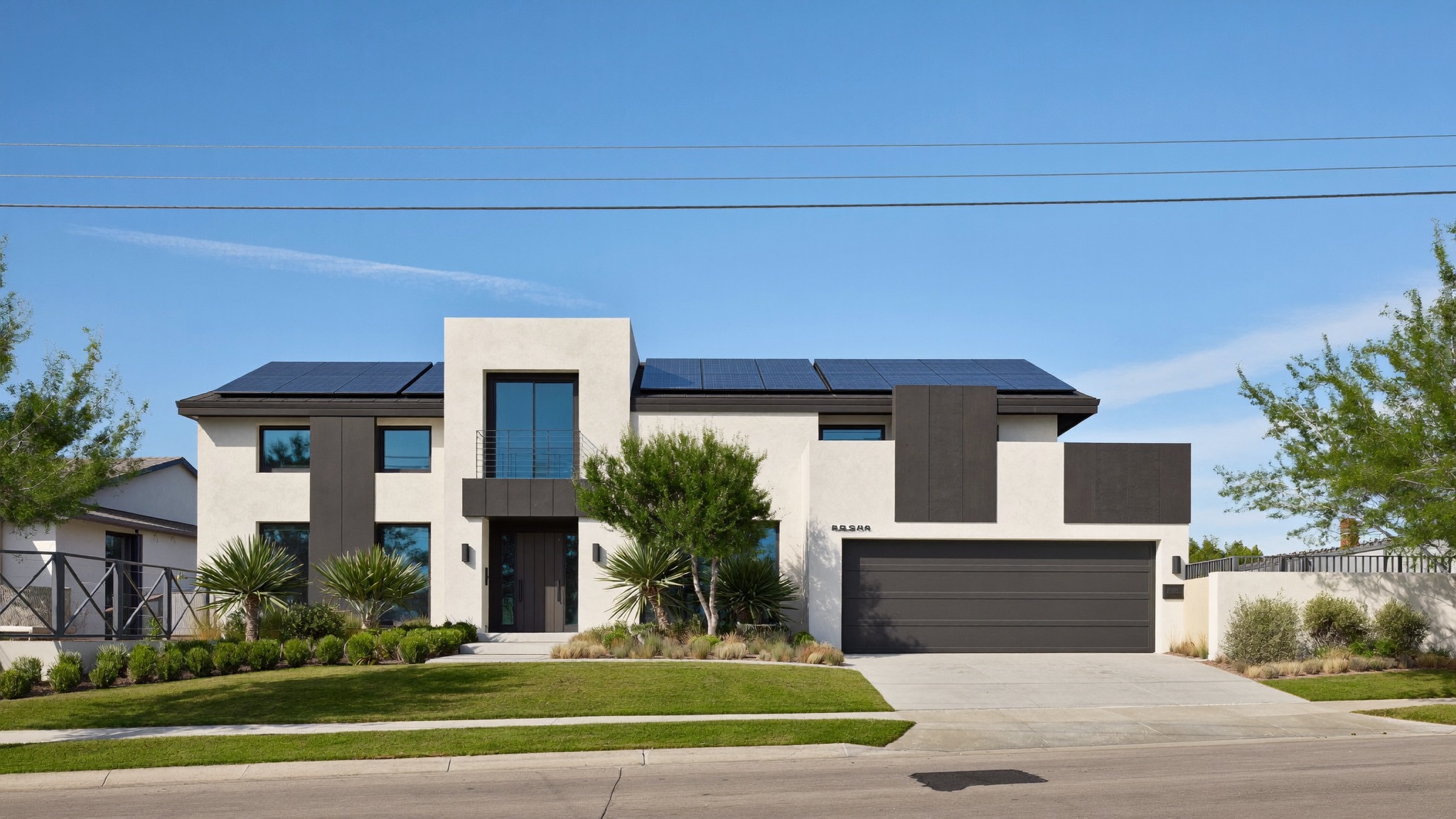
How Arizona pays you for solar
Arizona no longer offers full retail net metering. Since 2017 the state uses net billing: the power your panels make and your home uses is worth full retail — you simply don't buy it. The surplus you export to APS or SRP earns an export credit set by the utility, lower than retail, and locked for ten years from the day you interconnect. The practical takeaway is simple: value your own daytime use first, size to it, and consider a battery so your evening runs on your own sun instead of the grid's peak rates.
The honest timeline
From signing to switch-on is usually six to ten weeks, and most of it is paperwork, not roof time. Design and engineering take a week or two; the city permit, the HOA submittal and the utility interconnection application run in parallel and set the pace. The install itself is one to two days. Then a final inspection and the utility's Permission to Operate, and the meter turns. We walk the whole path on our process.
The best system isn't the biggest one that fits. It's the one that covers your use and not a panel more.
What it costs
A residential system in Phoenix generally runs $18,000 to $32,000 installed, or roughly $13,000 to $22,000 after the 30% federal tax credit. The full breakdown — what drives the number, and what a fair quote includes — is in our 2026 Phoenix solar savings guide.
Questions we get
How many solar panels does a Phoenix home need?
Most Phoenix homes need 16 to 30 panels — roughly a 6 to 12 kW system. The right number comes from your last twelve months of usage, not your roof size: a home with a pool and two AC units needs far more than a similar house without them. We size to cover close to 100% of your annual use, since exported power in Arizona is credited below the retail rate.
Does Arizona still have net metering?
Not full retail net metering. Arizona moved to net billing in 2017, so power you export to APS or SRP earns an export credit set by the utility — lower than the price you pay to buy power back — locked for ten years once you interconnect. This is why we size to your own usage, and why a battery often pays off here.
How long do solar panels last?
The panels we install carry 25-year product and performance warranties and typically produce for 30 years or more, losing about half a percent of output a year. The inverter is the part most likely to be replaced once in that span. We register every warranty in your name at activation.
What happens at night or during a cloud?
Without a battery, your home draws from the grid at night and whenever a cloud cuts production — you stay connected, exactly as now. During the day the panels serve the house first and export the surplus. Add a battery and the house runs on stored solar after sunset instead of buying at peak rates.
Start with your bill